



Affordable creatine: a smarter way to compare prices
Good value starts with a little label math. Compare what each serving contains, then compare the cost.

Compare servings, not just prices.
Hypothetical examples—not real offers.
Next, compare what each serving contains.
Start with a fair comparison
To compare affordable creatine, write down the price you will actually pay, the number of labeled servings and the amount of creatine in each serving. Then check the ingredients and purchase terms. Two containers with the same sticker price may provide different amounts, and a subscription offer may involve a different commitment from a one-time purchase.
This is a comparison method, not a ranked list of brands we have independently tested. Prices, promotions and availability change. Use the current product page and checkout details for the items on your shortlist.
Calculate the price per labeled serving
Divide the container price by the labeled serving count. For an illustration, imagine Product A costs $30 and contains 30 servings. Its price is $1 per labeled serving. If Product B costs $36 and contains 60 servings, its price is $0.60 per labeled serving. These are invented arithmetic examples, not current prices or descriptions of real products.
Before calling Product B the better value, compare what each serving contains. Check the creatine amount, the other ingredients and whether the serving directions differ. The calculation is only as useful as the details you put into it.
When the creatine amount differs
For another arithmetic example, suppose a $30 container has 30 servings with 5 grams of creatine in each. The container would contain 150 labeled grams of creatine, and the price would be $0.20 per labeled gram. A $24 container with 30 servings containing 3 grams each would contain 90 labeled grams, or about $0.27 per labeled gram. The cheaper container would therefore have the higher cost per labeled gram.
That does not prescribe a dose or tell you which serving you should take. It simply reveals why sticker price and serving count can tell incomplete stories. It also does not prove that a product contains exactly what the label states or that a blended formula produces better results. Those are different questions.
Make the comparison yours
Use current labels and prices for two products. Enter the total price you would pay, including shipping and any applicable charges, in the same currency for both. This compares cost only—not quality, suitability or a recommended amount.
Use grams of creatine, not the weight of the whole powder mixture. For a multipack, enter the total price and total labeled servings. The example placeholders are hypothetical.
Include the rest of the purchase
Add shipping and any other applicable checkout charges when you compare the total purchase. If a threshold requires buying extra containers, count the extra purchase rather than treating the shipping offer as automatically saving money.
Compare one-time and subscription choices separately. Record the first-order price, any later recurring price, shipment frequency and the cancellation terms you can actually verify. Do not assume that a first-order discount applies to every future delivery.
Check return conditions before opening the product if those conditions affect your decision. For multipacks, calculate the total labeled servings across the pack, and be realistic about the amount you intend to use. Buying more than you want can make a low unit price less useful.
Decide what matters to your routine
A clear ingredient list, a format you can use comfortably and a flavor you enjoy may matter alongside price. Make those preferences explicit in your comparison rather than hiding them inside a vague ‘best’ score.
For a blend, decide whether you want the additional ingredients. Do not treat a longer ingredient list as automatically better value. If your goal is to compare the cost of creatine, keep that calculation separate from your opinion of the full formula.
A small comparison sheet is enough: exact product, format and flavor; one-time price; recurring terms if relevant; servings; creatine amount; shipping; and any unanswered questions. Mark missing details as unknown instead of guessing.
Put the method to use
Choose two or three products that fit your needs and fill in the same fields for each. You should be able to explain your decision in an ordinary sentence: ‘This is the total price, this is what a labeled serving contains, and these are the terms I am accepting.’
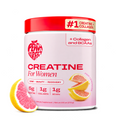
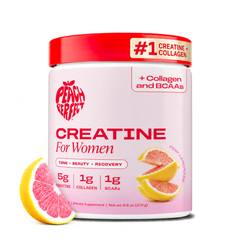
If you are considering our formula, check the live purchase options and label on Peach Perfect creatine powder. This is a link to our own product, not a claim that it is the cheapest option. Our broader creatine buying guide covers the other label questions to ask before purchasing.
A few more good questions
Are the prices in the examples real offers?
No. They are hypothetical numbers used to explain the calculation. Check current product and checkout prices for a purchase decision.
Should I compare the tub’s total weight?
For this calculation, use the labeled creatine amount and serving count. Total powder weight can include other ingredients.
Is the lowest cost per gram always the best choice?
It answers a cost question. It does not by itself establish product quality, suitability, taste or whether you want the full formula.