Is creatine FDA approved? What to check instead
A good label should answer questions. Here are the ones worth asking.

Three questions worth separating
- 01 · Identity
- Exact product, format and flavor.
- 02 · Documentation
- Specific tests, product and batch covered.
- 03 · Suitability
- Your circumstances and professional advice.
A clear answer to one does not answer all three.
The short answer
Creatine products sold as dietary supplements are not FDA-approved before marketing. FDA oversees supplements under a different framework from drugs. Manufacturers and distributors remain responsible for meeting applicable safety and labeling requirements; a lack of premarket approval does not mean there are no rules. FDA explains its role here.
For a shopper, that means the useful question is not simply whether a brand uses the letters FDA on its website. Ask what a particular statement refers to and what product-specific information you can actually review.
Separate the questions on your shortlist
Consider three different questions: What is this product? What documentation is available about its contents? Is it an appropriate choice for you? A persuasive answer to one does not automatically answer the others.
Start with the exact product name, format and current label. Then identify the specific claim you want to understand. A statement about a facility is different from a report about a particular finished product or batch. Ask the seller to identify which one it is discussing instead of treating all quality language as interchangeable.
Read the complete label
FDA describes supplement labeling that includes the product identity, Supplement Facts, other ingredients and manufacturer or distributor information. The panel generally identifies serving size and ingredient amounts, with specific rules for blends. Read FDA’s labeling explanation.
Use that information as a starting point for comparison. Match the label to the product you are about to buy, including its format and flavor. An image from a different product in the same range will not answer a question about your chosen container. If the label is too small to read, request a legible version rather than relying only on the product’s front photograph.
Ask specific questions about testing
If a brand says a product has been tested, ask which product, which batch, what was tested and when. Ask whether the documentation concerns the finished supplement or only an ingredient supplied to the manufacturer. These questions make an otherwise broad statement more useful.
When a report is available, compare its product and lot identifiers with the item under discussion. Note the laboratory, date, tests and stated results. A document covering one test should not be described as proof of every possible quality claim. If a report is difficult to interpret, ask the company or a qualified professional to explain its scope.
If a certification logo appears, check the issuing organization’s own listing for the exact product and the scope of the certification. Do not assume that a similarly named item, an ingredient supplier, or another flavor is the same listing. An unanswered documentation question should stay unanswered in your comparison notes.
A short message you can send a brand
Try this: ‘I’m considering your [exact product and flavor]. Could you share the current complete label and explain the testing documentation available for this finished product? Please identify which batch the documentation covers and the specific tests included.’
Keep the reply with your comparison notes. You are looking for a clear, relevant answer, not the longest attachment or the largest number of logos. If you are deciding between products, ask the same questions so the comparison is fair.
Quality information does not replace suitability
FDA advises discussing supplement use with a healthcare professional, including possible interactions with medicines or other supplements. Its consumer questions and answers are a useful starting point.
Bring the complete formula to that discussion. Reviews about taste or easy mixing can help you understand somebody’s experience, but they do not answer every safety or suitability question.
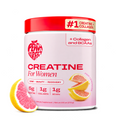
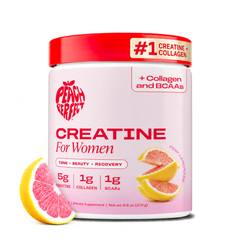
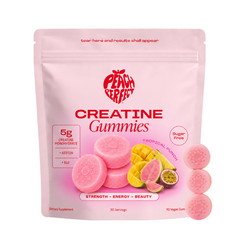
For our product, the Peach Perfect creatine powder page is the place to start reviewing current ingredients and directions. This article does not claim that Peach Perfect holds a certification or test result that has not been verified here.
A few more good questions
Does “FDA approved” prove a supplement is better?
That is not the premarket framework FDA describes for dietary supplements. Ask the brand what the statement refers to and consult the FDA source linked above.
Is a customer review a product test report?
No. A review describes a customer’s experience. A test report should identify what was analyzed and the results within its stated scope.
Can I compare two products using different labels?
Match each label to the exact product, format and flavor first. Keep missing or uncertain details visible in your notes.
Sources
- US FDA consumer guidance — Regulatory role, labeling and healthcare-professional discussion